
Athletic & Performance
The Best Running Shoes for Beginners: Your 2026 Guide
APR. 9, 2026
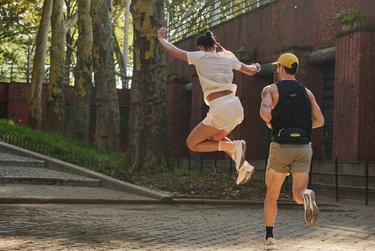
Starting a running journey is one of the best gifts you can give your future self, but nothing stalls progress faster than a pair of shoes that leave your feet aching. For beginners, the goal isn't necessarily to find the "fastest" shoe on the market; it’s about finding a reliable partner that makes every mile feel accessible. The right beginner shoe provides a soft landing, a stable platform, and enough comfort to turn a "one-time jog" into a lifelong habit.
The beauty of modern running tech in 2026 is that you don't need to be an elite athlete to benefit from high-performance foam. Whether you’re aiming to finish your first mile or clearing your head after work, the right footwear provides a gentle emotional hook—the "I can actually do this" feeling that keeps you coming back to the pavement day after day.
What to Look for in Beginner Running Shoes
If you are new to the sport, the technical jargon can be overwhelming. Focus on these four pillars to ensure you're getting a shoe that supports your growth.
-
Balanced Cushioning – Look for a "middle-ground" foam that isn't too mushy or too firm. This helps your muscles and joints adapt to the new impact of running.
-
Reliable Durability – As a beginner, you want a "workhorse" shoe with a thick rubber outsole that can handle 300–500 miles of consistent road wear.
-
A Smooth Ride – Many beginner-friendly shoes feature a slight "rocker" shape that helps roll your foot forward effortlessly from heel to toe.
-
Instant Comfort – Unlike heavy hiking boots, running shoes should not have a "break-in" period. If they don't feel great the moment you lace them up, they aren't the right pair.
Neutral vs. Stability: Which Is Right for You?
One of the first decisions you'll face is whether you need a "Neutral" shoe or a "Stability" shoe based on your natural movement.
Neutral Running Shoes
Most beginners start here. These shoes are versatile and designed for runners with a natural gait or high arches. They provide even cushioning without extra structural inserts, allowing the foot to move naturally.
- Top Picks: Brooks Ghost, HOKA Clifton, ASICS Gel Nimbus.
Stability Running Shoes
If you notice that your ankles collapse inward significantly when you walk or run (overpronation), a stability shoe can help. These use firmer foam or "guide rails" on the inside of the arch to keep your stride aligned and prevent injury.
- Top Picks: Brooks Adrenaline GTS, ASICS Gel Kayano.
That "Cloud-Like" Feeling
There is a specific magic in putting on a pair of modern trainers for the first time. The plush, wrap-around fit of a premium mesh upper combined with the "bounce" of high-grade foam creates a sensory experience that makes exercise feel less like a chore and more like a reward. For many new runners, this comfort is the primary motivator that helps them get out the door on days when motivation is low.
Comfort Tips for Your First Mile
To make your transition into running as smooth as possible, keep these practical tips in mind:
-
The "Rule of Thumb": Always ensure there is about a thumb’s width of space between your toes and the end of the shoe. Your feet will swell as they get warm during a run.
-
Avoid "Lifestyle" Sneakers: Those trendy, flat-soled sneakers are great for the mall, but they lack the impact-absorbing foam and support necessary for running.
-
Shop Later in the Day: Your feet naturally expand throughout the day. Trying on shoes in the afternoon ensures you won't buy a pair that feels too tight during a workout.
-
Start Slow: Don't worry about your pace. Focus on "time on feet" and let your new shoes do the work of protecting your knees and ankles.
Beginner Running FAQs
Do I need the most expensive shoes to start? Not at all. While higher-end shoes offer more advanced foam, many "entry-level" performance models from major brands provide everything a beginner needs at a more accessible price point.
Is it okay to use running shoes for walking? Yes! Running shoes are actually some of the best walking shoes available because they are engineered to handle much higher forces than walking requires.
How long will my first pair last? Expect to get about 300 to 500 miles out of a quality pair. For most beginners running three times a week, this usually means replacing them every six to nine months.
Should my toes touch the front of the shoe? No. If your toes touch the front, the shoe is too small. You need that extra "buffer" space to prevent bruising or black toenails during longer efforts.