
Comfort & Lifestyle
How to Stretch Shoes for the Perfect Fit: The Ultimate Comfort Guide
APR. 16, 2026
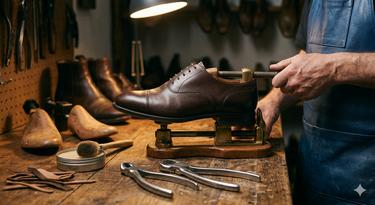
How to Stretch Shoes for the Perfect Fit: The Ultimate Comfort Guide
Quick Answer: Can You Stretch Your Shoes?
Yes, you can typically stretch shoes by a half to a full size using heat, moisture, or mechanical tools. For natural materials like leather and suede, using a two-way shoe stretcher or the hair dryer method is most effective. For synthetic or canvas shoes, the freezer method (expanding ice) provides a gentle, consistent stretch without damaging the fabric.
The "Why" Behind a Proper Fit
In the world of fitness and fashion, comfort is the foundation of consistency. There is nothing more discouraging than a pair of "perfect" shoes that leave you with blisters, pinched toes, or arch pain. For runners and active walkers, wearing shoes that are even slightly too tight can lead to serious physical issues, including ingrown toenails, bunions, and poor circulation.
At Shoe Station, we believe your gear should work for you, not against you. Stretching your shoes isn't just about saving a purchase; it's about optimizing your physical health. When your footwear fits correctly, your gait remains natural, your muscles stay relaxed, and that "one-time jog" easily transforms into a lifelong habit of movement and wellness.
The "How-To" of Professional Shoe Stretching
If your favorite kicks are feeling a bit snug, use these industry-standard methods to gain that much-needed wiggle room.
-
Mechanical Stretchers: Use a two-way stretcher for length and width. Insert the tool, turn the widening handle until you feel resistance, and leave it for 6–8 hours.
-
The Freezer Method: Fill a sealed plastic bag with water and place it inside the shoe. As the water turns to ice, it expands with immense pressure, naturally widening the material overnight. (Best for canvas and fabric).
-
The Hair Dryer Technique: Put on two pairs of thick Brooks socks and step into your shoes. Aim a hair dryer at the tightest spots for 30 seconds on medium heat while wiggling your toes. Wear them until they cool to "lock in" the stretch.
-
Warm Water Soak: For athletic shoes that have become stiff, a quick soak in warm water followed by walking in them while damp allows the fibers to conform specifically to your foot's unique shape.
Mechanical Stretchers vs. DIY Methods: Which Is Right for You?
Choosing the right method depends entirely on your shoe's material and where the pressure is located.
Mechanical Shoe Stretchers
Professional tools like spot stretchers or instep stretchers are best for high-quality leather shoes or specialized athletic gear. If you have a specific bunion or a high arch that feels compressed in a Brooks Ghost, a mechanical tool provides precise, targeted relief.
- Clear Takeaway: Use mechanical tools for precision and permanent structural changes to leather or suede.
DIY Home Methods (Heat/Cold)
Methods like freezing or heating are better for lifestyle sneakers and synthetic materials. These are "gentle" fixes for shoes that just need a tiny bit of loosening up. For example, a HOKA Clifton with a synthetic upper responds beautifully to the thick-sock-and-heat method.
- Clear Takeaway: Use DIY methods for minor adjustments and synthetic fabrics that don't require heavy-duty hardware.
Pro Tips for Maintaining Your Stretch
To ensure your shoes stay comfortable long after the stretching process is over, follow these expert tips:
-
Use a Shoe Tree: Between wears, keep a cedar shoe tree inside your leather shoes to maintain the stretch and absorb moisture.
-
Condition After Heating: If you use the hair dryer method on leather, always apply a leather conditioner afterward to prevent the material from becoming brittle.
-
The "Thumb's Width" Check: Even after stretching, ensure you still have a thumb's width of space at the toe. Stretching adds volume, but it can't always fix a shoe that is fundamentally too short.
-
Repeat as Needed: Natural materials have "memory" and may try to shrink back. Don't be afraid to repeat the stretching process two or three times for a permanent fit.
Beginner Stretching FAQs
Can you stretch synthetic leather? Synthetic materials like vinyl are less flexible than real leather. While you can achieve a minor stretch using the freezer method, over-stretching can cause the material to crack or the glue to fail.
How much can a shoe repair specialist stretch my shoes? A professional cobbler can often stretch a shoe more significantly than you can at home—sometimes up to a full size and a half—using industrial steaming and stretching equipment.
Will stretching my shoes ruin them? If done gradually, no. However, avoid "over-cranking" mechanical stretchers, which can pop seams, and never use high heat on delicate embellishments or glued-on soles.