
Travel & Outdoor
Best Trail Running Shoes for Hiking: Lighten Your Load
JUN. 29, 2026
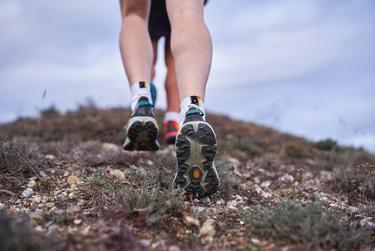
Quick Answer: Why Hikers are Switching to Trail Runners
The best trail running shoes for hiking offer a modern alternative to heavy, rigid boots by prioritizing agility, breathability, and weight savings. For most day hikes and well-maintained backcountry trails, a trail runner provides the same "sticky" traction as a hiking boot but with a much faster drying time and a more natural foot strike. The HOKA Speedgoat is a top choice for its "mountain goat" grip, while the Brooks Cascadia offers the structural stability and rock protection traditionally found in heavy-duty footwear.
The Weight-Saving Reality of the Trail Stride
The era of the "heavy leather boot" is giving way to a lighter, faster way to explore the wilderness. Thousands of thru-hikers on the Appalachian Trail and Pacific Crest Trail have already made the switch, discovering that trail running shoes allow them to cover more miles with significantly less fatigue.
While heavy boots still have their place in deep winter snow or off-trail mountaineering, modern trail runners from HOKA and Brooks are engineered with defensive underfoot technology—like rock plates and reinforced toe caps—needed to handle rugged terrain. Your clothing and pack shouldn't be the only things optimized for the outdoors; your footwear can be a highly responsive partner that slashes your physical workload on the trail.
Balancing Minimal Weight with Maximum Protection
To successfully replace a traditional hiking boot, your trail runner needs to handle the extra vertical load of a backpack and the unpredictability of the forest floor:
-
High-Friction Outsoles: Look for premium rubber compounds like Vibram® Megagrip. Hikers require intense traction to stay safe on wet rock slabs and aggressive, multi-directional lugs to "bite" into loose, dusty inclines.
-
Wider Platform Stability: Unlike standard road shoes, hiking-ready trail runners feature a wider baseline and a firmer midsole frame. This configuration prevents the shoe from twisting out from under you when stepping on an uneven root while carrying a pack.
-
Integrated Rock Plates: A built-in stone shield embedded within the midsole is an absolute requirement for rocky paths. It prevents localized underfoot bruising (the soreness that comes from feeling every sharp pebble) and deflects pressure from sudden, sharp strikes.
-
Reinforced Toe Caps: Hikers frequently stub their toes on hidden rocks or roots. A rubberized or TPU-reinforced toe bumper is a non-negotiable safety barrier that shields your toes from high-impact trail hazards.
The "Thru-Hiker" Favorites: HOKA vs. Brooks
At Shoe Station, these three models dominate the conversation for hikers looking to ditch their heavy boots:
HOKA Speedgoat: The Cushioned Specialist
Arguably the most popular shoe in the outdoor hiking community today. The HOKA Speedgoat offers a massive, plush bed of high-stack cushioning to protect your joints during long, steep mountain descents, paired with an incredibly sticky outsole that grips bare rock surfaces like a climbing shoe.
Brooks Cascadia: The Traditional Tank
If you prefer a sturdier, more protective feel underfoot, the Brooks Cascadia is your answer. It features a unique Pivot Post system that functions like an independent vehicle suspension, keeping your foot level and stable even when the terrain is completely uneven.
HOKA Challenger: The Hybrid Cruiser
Best for light hiking on smooth gravel paths, fire roads, or local state park trails. The Challenger offers a softer, more familiar sneaker-like feel that delivers exceptional out-of-the-box comfort for all-day wear.
The Takeaway: If your primary goals are maximalist cushion and elite wet-surface grip, choose the Speedgoat. If your trails demand maximum underfoot rigidity, stability, and puncture protection, choose the Cascadia.
The Freedom of Fast-and-Light Exploring
There is a profound difference between plodding along in a heavy boot and gliding forward in a light trail runner. When you remove a pound of weight from your feet, you aren't just moving faster; you are more observant. You spend less energy lifting your legs with every stride and more energy enjoying the landscape.
Trail runners turn a strenuous hike from a feat of raw endurance into an enjoyable celebration of movement. Whether you are bagging a mountain peak or exploring a local wooded loop, the right pair of shoes allows your feet to respond to the earth naturally, building an agile, confident stride.
Tailored Fits and Weatherproof Adaptability
Modern trail footwear is intelligently designed to handle the elements while keeping your feet comfortable over long distances:
-
Breathable Mesh vs. Gore-Tex®: Shoe Station carries both standard open-mesh models (which allow water to drain and dry out rapidly during hot summer treks) and GTX (Waterproof) versions that lock out external moisture during winter hikes or muddy spring trail conditions.
-
Splay-Ready Width Layouts: Because your feet naturally swell and expand over long miles under a backpack load, we stock these leading trail models in specialized Wide (D/2E) configurations to ensure your forefoot never feels compressed.
-
Zero Break-In Period: One of the greatest advantages of a trail runner over a leather boot is immediacy. Instead of spending weeks suffering through stiff leather hotspots and breaking in a rigid upper, these shoes are fully flexible and ready to hit the trail the moment you walk out the door.
Actionable Diagnostic: The Pack-Weight and Ankle Check
To determine if your current physical setup is optimized for a trail running shoe or if you still require a traditional boot, run through this quick evaluation check before your next trek:
-
Weigh Your Loaded Pack: Place your fully packed trail bag on a scale.
-
Evaluate Your Base Platform: Stand in the shoes and notice how the midsole responds under the extra weight.
The Verdict: Trail runners are ideal for day packs and modern ultralight backpacking setups under 30 pounds. If your pack exceeds this weight, or if you have a history of chronic ankle instability, you need a highly structured platform like the Brooks Cascadia to provide the necessary rigidity. Always pair your shoes with a premium Muk Luks Wool Socks—it handles moisture and shields against friction far better than standard cotton.
Trail Shoes for Hiking FAQs
-
Do trail running shoes provide enough ankle support compared to boots? Yes, for most hikers. Footwear research indicates that broad outsole traction and midfoot platform stability are significantly more effective at preventing rolled ankles than a high leather collar. A stable, ground-hugging base like the Cascadia prevents the initial slip from happening in the first place.
-
What is the expected lifespan of a trail runner versus a boot? A heavy leather boot can last for years with proper care, whereas a technical trail runner generally maintains its performance cushioning for 300 to 500 miles. However, the trade-off is an immediate upgrade in daily walking comfort, improved breathability, and drastically lower leg fatigue.
-
Are trail runners safe for scrambling over loose, exposed rock? Absolutely. Models equipped with specialized rubber compounds like Vibram® Megagrip (found on the Speedgoat) are actually superior to hard leather boots on bare rock slabs because the rubber is physically stickier, more pliable, and molds dynamically to the texture of the stone.
-
Are trail running shoes completely waterproof? Most standard models are designed to be highly breathable, meaning they will let water in if submerged but will drain and dry out in a fraction of the time a boot requires. If your climate demands total moisture protection, opt for the designated Gore-Tex (GTX) variants of your favorite models.