
Athletic & Performance
How to Break In New Running Shoes Without Getting Blisters
SEP. 10, 2026
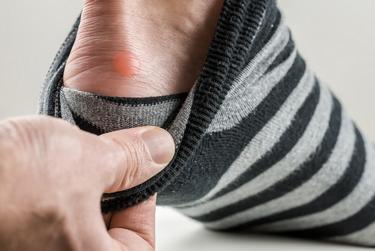
Quick Answer: The Blister-Free Break-In Protocol
While modern running shoes are built to feel comfortable right out of the box, taking a brand-new pair directly onto a high-mileage road run or intense speed session is a recipe for friction blisters. The key to a seamless transition is a gradual 10-to-14-day rotation plan. Allowing the upper materials to soften, the internal foam footbed to mold to your footprint, and your skin to adapt prevents painful hot spots. Pair your new shoes with synthetic moisture-wicking socks and test them on short walks before tackling long miles. Explore the latest performance running arrivals at Shoe Station.
Why Brand-New Running Shoes Cause Blisters
Friction blisters form when heat, moisture, and repetitive rubbing combine to shear the top layers of skin away from the tissue beneath. Even if your new running shoes are the exact same size and model as your previous pair, fresh manufacturing materials react differently:
-
Stiff Upper Textiles: Unworn engineered mesh, overlays, and heel collars have not yet flexed to accommodate your unique foot shape.
-
Firm Uncompressed Midsoles: Factory-fresh foam footbeds sit completely flat, meaning your foot experiences micro-sliding until your body weight creates natural arch and heel impressions.
-
Lacing Tension Adjustments: New eyelets and laces often require fine-tuning to achieve proper midfoot lockdown without causing "lace bite" across the top of your foot.
The 3-Stage Blister Prevention Plan
Stage 1: Indoor Casual Wear (Days 1 to 3)
Wear your new running shoes around the house or at work with the exact socks you plan to run in. This allows your body heat to warm up the internal foam and upper materials, letting them mold softly to your feet without high-impact friction.
Stage 2: Short Walk/Run Intervals (Days 4 to 7)
Take your new trainers on short 1- to 2-mile neighborhood walks or light recovery jogs. Pay close attention to any areas feeling unusually warm—these "hot spots" indicate friction zones that need adjustment before you attempt higher mileage.
Stage 3: The Alternating Mileage Rotation (Days 8 to 14)
Never discard your old running shoes immediately! Alternate between your old pair and your new pair every other workout. This gradual transition lets your foot muscles adapt to subtle changes in midsole stack height and heel-to-toe drop while giving the new foam time to decompress between runs.
Essential Gear Tips to Eliminate Friction
-
Ditch Cotton Socks Immediately: Cotton traps foot sweat against your skin, softening the tissue and causing severe blisters within minutes. Always wear technical synthetic or merino wool performance socks that pull moisture away from your skin.
-
Master the Runner’s Loop Lacing: If your heel lifts slightly in your new shoes, utilize the extra top eyelet to tie a "heel lock" or runner’s loop. This anchors your rearfoot securely into the heel pocket, eliminating vertical heel rubbing.
-
Apply Anti-Chafing Balm to Hot Spots: If you know you are prone to blisters along your arches or Achilles tendon, apply an anti-friction balm or specialized blister tape to those vulnerable areas before stepping out.
Actionable Diagnostic: The "Hot Spot & Lock" Inspection
Before heading out for a full-length workout in your new running shoes, perform this 30-second check:
Put on your new running shoes with technical socks, lace them securely, and take ten exaggerated, fast strides down a carpeted hallway. Stop abruptly and evaluate what you feel.
- The Verdict: If you feel localized heat or pinching along your pinky toe, instep, or heel, do not attempt a long run yet! Adjust your lacing pattern to relieve instep pressure, or use a heel-lock loop to stop rearfoot sliding. If the shoe pinches tightly across the forefoot, you may need a Wide (D/2E) fit rather than a standard width.
Breaking In Running Shoes FAQs
How many miles does it take to break in a new pair of running shoes? Most modern performance running shoes require roughly 10 to 20 miles of total wear (a combination of walking and short runs) to fully break in and conform to your foot shape.
Should running shoes feel tight when you first put them on? No. Running shoes should feel comfortably snug through the midfoot and heel right out of the box, but your toes should never feel pinched or cramped. Always ensure you have a thumb's width (1/2 inch) of space in front of your longest toe to accommodate foot expansion during runs.
Can I run a marathon in brand-new running shoes? Never run a marathon, half-marathon, or long race in brand-new, un-tested shoes! Always log at least 20 to 30 miles in a new pair during your training block to verify that they are completely blister-free before race day.
Why do I get blisters on my arches in new shoes? Arch blisters usually occur when a new shoe's internal arch support is higher or positioned differently than your previous pair, or if your foot is sliding sideways. Ensure your laces are cinched securely over the instep, and consider switching to a seamless, high-density performance sock.

