
Athletic & Performance
The Best Running Shoes for Flat Feet: Stability and Support for Every Mile
APR. 8, 2026
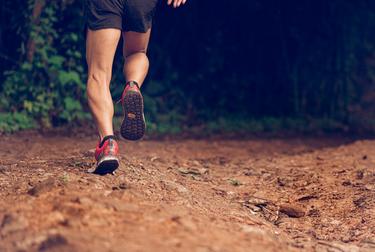
If you have flat feet or low arches, you’ve likely experienced that nagging ache along the inside of your foot or a bit of extra soreness in your knees after a long walk or run. This often happens because flat feet tend to "overpronate," meaning the arches collapse inward upon impact. While having flat feet is perfectly common, it does mean your footwear needs to work a little harder to keep your stride aligned. The right pair of shoes isn't just about comfort—it's about providing the structural "insurance" your body needs to stay active and injury-free.
Finding the perfect stability shoe can be a total game-changer. It turns a run that feels heavy or unstable into a smooth, supported experience. Whether you’re hitting the pavement for a morning jog or spending a long day on your feet, choosing a shoe designed specifically for low arches ensures that every step feels secure and energized.
What to Look for in Running Shoes for Flat Feet
When you have flat feet, you need a shoe that prioritizes "medial support"—features designed to prevent your foot from rolling too far inward.
-
Arch Support (Stability) Features – Look for "GTS" (Go-To-Support) models or shoes featuring a "medial post." These use firmer foam on the inside of the shoe to reinforce your arch.
-
Firm Midsole Cushioning – While soft clouds feel great, flat feet often need a slightly firmer, more responsive foam that won't collapse under pressure.
-
GuideRail Technology – Many modern shoes use "bumpers" on the sides of the shoe to keep your foot in its natural path of motion without being overly intrusive.
-
Wide Base and Platform – A wider outsole provides a more stable foundation, reducing the "wobble" that can occur when a flat foot strikes the ground.
Stability vs. Motion Control: Which Is Right for You?
Understanding how much support you actually need is the first step toward a pain-free run.
Stability Running Shoes
Most runners with flat feet or mild overpronation do best in stability shoes. These offer a blend of traditional cushioning and subtle support features that guide the foot without feeling stiff.
- Top Picks: Brooks Adrenaline GTS, ASICS Gel Kayano
Motion Control Shoes
If you have extremely flat feet or severe overpronation, you might need motion control. These shoes are heavier and stiffer, designed with a very straight "last" (the shape of the shoe) to physically prevent the foot from rolling.
- Top Picks: Saucony Omni
The Takeaway: If you have low arches and feel occasional fatigue, start with a Stability shoe. If you have "pancaked" arches and struggle with significant alignment issues, Motion Control may be necessary.
Confidence in Every Step
There is a unique sense of confidence that comes from a shoe that truly supports you. For someone with flat feet, the right shoe eliminates that "collapsing" feeling and replaces it with a snappy, guided transition. It’s the difference between feeling like you’re fighting your own anatomy and feeling like your gear is working in harmony with you. That extra bit of stability allows you to focus on your breathing and the scenery, rather than worrying about a potential ache in your shins or arches.
Best Styles and Options for Low Arches
These models are the industry leaders for providing the specific support flat feet require without sacrificing style.
Brooks Adrenaline GTS – The Gold Standard - The Adrenaline is famous for its GuideRails technology. Instead of a hard block of plastic under the arch, it uses supportive foam on the sides to keep your foot aligned only when you need it. It’s a favorite for its "set it and forget it" reliability.
ASICS Gel Kayano – Plush Stability - If you want the best of both worlds—maximum Gel cushioning and high-level stability—the Kayano is the winner. it provides a very premium, soft feel while still being one of the most stable shoes on the market.
New Balance 880 – The Consistent Performer - The 860 uses a traditional medial post (a firmer piece of foam under the arch). This provides a very consistent, "locked-in" feel that runners with flat feet have trusted for generations.
Comfort Tips for Flat Feet
Even with the perfect shoes, these small adjustments can make a big difference in how your feet feel.
-
Consider an Insole: If your shoes still feel a bit flat, adding a high-quality supportive insole (like Superfeet) can provide an extra "cradle" for your arch.
-
Tighten the Midfoot: Ensure your laces are snug through the middle of the shoe. This helps the stability features of the shoe stay in direct contact with your arch.
-
Check Your Wear Patterns: Look at the bottom of your old shoes. If the inside edge is significantly more worn than the outside, it’s a clear sign you need a fresh pair of stability trainers.
-
Stretch Your Calves: Flat feet are often linked to tight calves. A few minutes of stretching after your run can relieve the tension that contributes to arch collapse.
Flat Feet Running FAQs
Do flat feet need arch support? Most people with flat feet benefit from support because it helps distribute impact more evenly across the foot and prevents the joints from over-rotating.
Are HOKAs good for flat feet? Yes, but you should look specifically for their stability models like the Arahi or Gaviota. Their standard neutral shoes may be too soft for those who need arch reinforcement.
Can I fix flat feet with running? Running won't "cure" flat feet, but it can strengthen the muscles in your feet and lower legs. Wearing the right shoes ensures you can build that strength without injury.
Should I buy shoes a size larger? You should always have a thumb’s width of space at the toe, but don't go too big; if the shoe is too long, the arch support will sit in the wrong place under your foot.