
Athletic & Performance
Running vs. Walking Shoes: Understanding the Mechanics of Your Move
MAY. 13, 2026
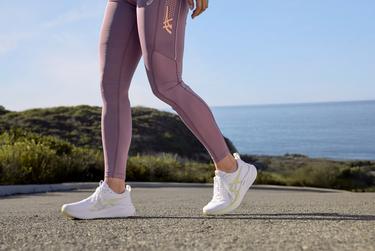
Quick Answer: The Mechanics of the Move
While they may look similar on a shelf, running shoes and walking shoes are engineered for two fundamentally different types of movement. Running shoes are built to handle high-impact forces (up to 3x your body weight) and feature more cushioning, lightweight materials, and higher breathability. Walking shoes are designed for a consistent heel-to-toe rolling motion, prioritizing arch support, flexibility in the forefoot, and durable outsoles for long-term wear.
It’s a common sight at any park: some people are sprinting, some are jogging, and others are enjoying a brisk power walk. If you’re engaging in any of these activities, you might wonder if you can just grab a "general" athletic sneaker and go. However, the biomechanics of a walk and a run are worlds apart. Runners stay airborne for a fraction of a second and land with significant force, whereas walkers always have one foot on the ground, creating a rhythmic, rolling motion. Using the wrong shoe for your activity isn't just a matter of comfort—it can lead to shin splints, blisters, or premature wear on your gear. In this guide, we’ll break down the technical differences so you can choose the right tool for your pace.
Technical Breakdown of Construction
To choose the right shoe, you have to look at how the foam, weight, and flexibility are distributed.
-
Cushioning & Impact: Runners need significant cushioning in the heel and forefoot to absorb the "shock" of landing. Walkers need more cushioning specifically in the heel—where they make initial contact—and less in the forefoot, as they don't "spring" off the ground with as much force.
-
Weight & Breathability: Running generates significant body heat, so those shoes use thin, engineered meshes for maximum airflow. Walking shoes often use sturdier materials like leather or dense synthetic mesh, prioritizing durability and support over extreme lightness.
-
Flexibility: A good walking shoe must be highly flexible at the arch and forefoot to allow the foot to roll smoothly from heel to toe. Running shoes are often stiffer at the arch to provide a stable platform for a powerful "push-off."
-
Heel Geometry: Running shoes often have a "flared" or wider heel to provide stability during high-speed landings. Walking shoes typically have an "undercut" or beveled heel to facilitate that natural rolling motion.
Which Pace Are You Keeping?
The best shoe for you is defined by your primary activity 80% of the time.
-
The Daily Walker (Walking Shoes): Best if your exercise consists of neighborhood strolls, mall walking, or standing all day. These shoes focus on "all-day comfort" and arch integrity. They are built to last through thousands of steps without the foam "bottoming out."
-
The Active Runner (Running Shoes): Best if you plan to jog, sprint, or train for a race. These shoes provide the necessary energy return and joint protection required for high-speed impact. They are lighter and help prevent the "heavy leg" feeling during a workout.
Clear Takeaway: If you walk to stay active, choose Walking Shoes. If you run to get your heart rate up, choose Running Shoes.
Moving in Harmony with Your Gait
There is a specific kind of ease that comes when your footwear matches your movement. When a walker wears a flexible, supportive walking shoe, the "clunkiness" of a stiff sneaker disappears, replaced by a smooth, effortless roll. Conversely, when a runner feels the "pop" of a responsive running foam, every mile feels faster. By honoring your specific pace, you aren't just protecting your joints; you're making your exercise feel like a natural extension of your body. Whether it’s a quiet morning stroll or a personal best on the track, the right shoe ensures the focus stays on the joy of the movement.
Common "Switch" Questions
-
Can I walk in running shoes? Yes! In fact, many people prefer high-cushion running shoes (like the Brooks Glycerin or HOKA Bondi) for walking because of the superior impact protection. Running shoes are versatile enough to handle walking, provided they have enough arch support.
-
Can I run in walking shoes? Generally, no. Walking shoes lack the necessary forefoot cushioning and "rebound" foam required for running. Running in walking shoes can lead to "flat" landings and increased stress on your shins and knees.
-
What if I do both? If you split your time equally between running and walking, buy a running shoe. A running shoe can safely perform both tasks, whereas a walking shoe is strictly for walking.
Running vs. Walking Shoe FAQs
Why are walking shoes often heavier? Walking shoes prioritize durability and structural support (like leather uppers or dense foam) over the weight-saving technologies needed for competitive running.
Should I buy a size larger for walking shoes? Just like running shoes, your feet swell when you walk. You should still aim for about a half-inch (thumb's width) of space at the front of the shoe to prevent toe pinching.
Which lasts longer: running or walking shoes? Walking shoes often have a longer "shelf life" because the foam isn't subjected to high-impact forces, and the outsoles are typically made of denser, more abrasion-resistant rubber.
Are "rocker" shoes good for walking? Yes. Many modern walking and running shoes use "rocker geometry" (a curved sole) to help roll the foot forward, which is excellent for people with stiff joints or plantar fasciitis.