
Athletic & Performance
What is Heel-to-Toe Drop? Finding the Perfect Offset for Your Stride
MAY. 11, 2026
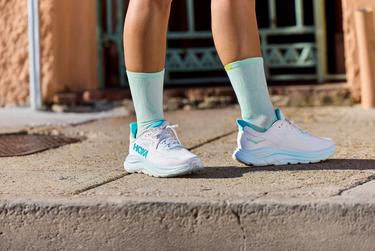
Quick Answer: Understanding Heel-to-Toe Drop
Heel drop (also known as offset or gradient) is the difference in height between the cushioning in the heel and the cushioning in the forefoot of a running shoe. Measured in millimeters, it determines how much "steeper" your heel sits compared to your toes. Most traditional shoes have a 10mm to 12mm drop, while "low-drop" shoes range from 0mm to 4mm. Choose a higher drop to protect your Achilles and calves, or a lower drop to encourage a more natural midfoot strike.
When you’re shopping for new trainers, it’s easy to get distracted by flashy colors and "cloud-like" foams. However, one of the most important technical specs is often hidden in the fine print: the heel drop. This small measurement in millimeters can fundamentally change how your body interacts with the ground and where you feel the most impact. Whether you are a dedicated heel striker or looking to transition to a more minimalist style, understanding heel drop is the key to matching your shoes to your body's mechanics. In this guide, we’ll break down why those few millimeters matter and how to find the "sweet spot" for your unique stride.
The Three Main Categories of Heel Drop
To find the right offset, you need to consider your current running form and any history of lower-leg injuries.
-
High Drop (10mm–12mm) – The industry standard. These shoes feature a thick heel that absorbs the shock of a heavy heel strike, taking the load off your Achilles tendon and calves.
-
Mid Drop (5mm–8mm) – The "Goldilocks" zone. These offer a balanced feel, accommodating both heel and midfoot strikers without being too taxing on the lower leg.
-
Low or Zero Drop (0mm–4mm) – These shoes are nearly flat, mimicking the natural position of the foot. They encourage you to land on your midfoot or forefoot, shifting the work from your knees to your calves.
High Drop vs. Low Drop: Which Is Right for You?
The best drop for you depends on where your body tends to carry its stress.
-
High Drop (The Traditional Choice): Best for runners who strike heavily on their heels or those with a history of Achilles tendonitis or calf strains. By elevating the heel, the shoe reduces the stretch required from the lower leg. Popular examples include the Brooks Ghost or ASICS Nimbus.
-
Low Drop (The Natural Choice): Best for runners who want to improve their form and reduce knee pain or hip issues. By bringing the heel closer to the ground, the shoe encourages a shorter, quicker stride. Popular examples include the HOKA Clifton (5mm).
Clear Takeaway: If you have tight calves, stay with a High Drop. If you have persistent knee issues and want a more "natural" feel, consider transitioning to a Low Drop.
Finding Your Perfect Balance
There is a specific kind of harmony that happens when your shoes match your movement. When you find the right heel drop, the "clunkiness" of your stride disappears, replaced by a smooth, rhythmic transition from landing to toe-off. It’s about the feeling of total support - the confidence that your gear is working with your anatomy rather than against it. Whether you prefer the elevated protection of a classic trainer or the grounded connection of a low-drop shoe, the right geometry allows you to focus on the joy of the run and the beauty of the path ahead.
Popular Models by Heel Drop
You don't have to sacrifice style to get the specific offset your body needs.
-
12mm Drop: Look at the Brooks Ghost or Adrenaline GTS for that classic, protected feel.
-
5mm to 8mm Drop: Most **HOKA **models (like the Clifton or Bondi) and many Saucony trainers (like the Ride) sit in this versatile middle ground.
Comfort Tips for Changing Your Drop
-
The Transition Rule: Never switch from a high drop (12mm) to a zero drop (0mm) overnight. Your calves and Achilles need weeks to stretch and strengthen to handle the new load.
-
Rotate Your Pairs: Many runners use a high-drop shoe for long, easy runs and a lower-drop shoe for speed work to engage different muscle groups and prevent overuse injuries.
-
Listen to Your Calves: If you try a lower-drop shoe and feel intense soreness in your lower legs the next day, you may need to scale back the mileage or perform extra calf stretches.
Heel Drop FAQs
Does a higher drop mean more cushioning? Not necessarily. Drop only measures the difference in height. A shoe can have a high drop with very firm foam or a zero drop with a massive "maximalist" stack of soft foam.
Can heel drop help with plantar fasciitis? Many people find that a higher drop provides relief for plantar fasciitis because it reduces the tension on the fascia and the Achilles tendon during the walking or running cycle.
Is zero drop the same as barefoot running? No. While barefoot running has zero drop, many "Zero Drop" shoes still have thick, protective midsoles. They provide the flat geometry of being barefoot with the impact protection of a modern shoe.
What is the best drop for walking? For most people, a mid-to-high drop (8mm–12mm) is most comfortable for walking, as the human walking gait naturally begins with a heavy heel strike.