
Athletic & Performance
What to Wear While Running: The Ultimate Technical Essentials Guide
MAY. 28, 2026
Quick Answer: The "Technical" Essentials
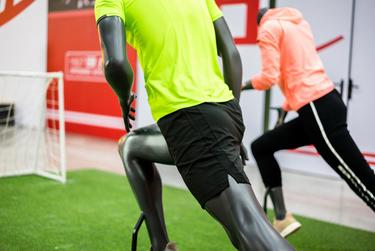
To wear the right gear for running, you must prioritize moisture-wicking synthetic fabrics or Merino wool and strictly avoid cotton. Cotton acts like a sponge, trapping sweat and causing heavy, abrasive "chafing." A basic kit from Shoe Station includes a breathable technical T-shirt, moisture-wicking shorts or leggings, and—most importantly—synthetic running socks. As a general rule, dress as if it is 10 degrees warmer than the actual temperature, as your body heat will rise significantly once you start moving.
There is an old runner’s saying: "There is no such thing as bad weather, only bad gear." While you can certainly run in an old cotton gym shirt, the difference between "surviving" a run and "enjoying" one often comes down to what you're wearing. Modern running apparel is a marvel of engineering, designed to move sweat away from your skin, prevent painful chafing in sensitive areas, and regulate your body temperature in everything from a summer heatwave to a winter chill. Whether you're a beginner lacing up your first pair of Brooks or HOKA trainers or a seasoned marathoner, your clothing should be a "silent partner" that stays out of your way. In this guide, we’ll break down the essential layers you need to stay comfortable and focused on the path ahead.
The Science of Moisture Management
The goal of running apparel is "thermoregulation"—keeping your body at a steady, comfortable temperature.
-
Moisture-Wicking Polyester/Nylon: These fibers are "hydrophobic," meaning they don't absorb water. Instead, they pull sweat to the surface of the fabric where it can evaporate quickly.
-
Merino Wool: The "miracle" natural fiber. It is naturally odor-resistant, stays warm even when wet, and is incredibly soft against the skin. It’s the gold standard for trail running and winter base layers.
-
Spandex/Elastane: Found in compression gear and waistbands, this provides the "stretch" needed for a full range of motion without the garment sagging or bunching.
Dressing for the Seasons: Summer vs. Winter
At Shoe Station, we help runners transition their wardrobe as the seasons change.
-
Summer Running: Focus on ventilation and sun protection. Wear light-colored, loose-fitting "singlets" or mesh-paneled shirts. Look for apparel with UPF ratings to protect your skin from UV rays during long road runs.
-
Winter Running: Focus on layering. Start with a thin "base layer" to wick sweat, add a "mid-layer" (like a half-zip fleece) for insulation, and top it with a windproof "shell" if necessary.
-
The "Rain" Factor: Avoid heavy waterproof "rubbers" that trap sweat inside. Instead, choose water-resistant, breathable jackets that allow heat to escape while keeping the worst of the moisture out.
Clear Takeaway: In the Heat, wear less and focus on airflow. In the Cold, wear layers you can shed as you warm up.
The Confidence of High-Performance Style
There is a psychological "switch" that flips when you put on dedicated running gear. It signals to your brain that it’s time to perform. When your clothes fit perfectly—without "riding up" or causing friction—you are free to enter the "flow state" where the miles feel effortless. At Shoe Station, we believe that when you look like a runner and feel like a runner, you are much more likely to show up for your workout. Your gear is your uniform for adventure; it’s the armor that protects you from the elements and allows you to explore the world on your own terms.
Visibility and Personal Expression
Safety is the most important "style" element for any runner.
-
High-Visibility (Hi-Viz): If you run in the early morning or evening, choose apparel with integrated 360-degree reflectivity. Many Brooks and HOKA apparel lines feature reflective strips that "pop" under car headlights.
-
Compression Gear: Beyond looking sleek, compression socks and tights can help with blood flow and reduce muscle "oscillation" (vibration), which may help prevent fatigue.
-
Vibrant Palettes: Running is one of the few times you can embrace neon greens, electric blues, and bold pinks. Choose colors that make you feel high-energy and visible to others on the trail.
Pro Tips for a Chafe-Free Run
-
The "Anti-Chafe" Ritual: Before dressing, apply an anti-chafe balm to areas where skin rubs against skin or fabric (thighs, underarms, and even your feet).
-
Seamless Construction: Look for "seamless" or "flatlock" stitching. These seams lay flat against the skin, eliminating the "ridge" that causes irritation over long distances.
-
Pockets Matter: Ensure your shorts or leggings have a secure, "bounce-free" pocket for your keys or phone. Many modern running tights feature "drop-in" side pockets specifically for large smartphones.
Running Apparel FAQs
Can I run in a regular cotton T-shirt? You can, but for any run longer than 15 minutes, cotton will become heavy with sweat, lose its shape, and likely cause painful chafing.
What is the best way to wash running gear? Wash in cold water and avoid fabric softeners, which can "clog" the technical fibers and ruin their moisture-wicking abilities. Air drying is always better than using a high-heat dryer.
Should I wear underwear under my running shorts? Most high-quality running shorts (like those from Brooks) have a built-in "liner" designed to be worn without additional underwear. This reduces layers and prevents bunching.
How many layers do I need for 40-degree weather? Usually a long-sleeve technical base layer and perhaps a light wind vest. Remember the "10-degree rule": if it's 40°F, dress as if it's 50°F.