
Athletic & Performance
Best Running Shoes for Back Pain: Support Your Spine from the Ground Up
JUL. 1, 2026
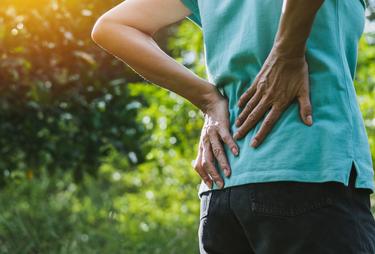
Quick Answer: The Foundation of Spinal Relief
The best running shoes for back pain focus on maximalist underfoot shock absorption and neutral skeletal alignment. When your footwear fails to dissipate the impact forces of the pavement, that kinetic vibration travels upward through your lower limbs and settles directly into your lumbar spine (lower back). To shield your back, prioritize shoes designed with a high stack height to filter out road vibrations and a curved rocker geometry to ensure a smooth, fluid stride. The HOKA Bondi 9 and Brooks Ghost Max 2 stand as premier selections for reducing the jarring forces that aggravate back pain.
The Kinetic Chain of Spinal Pressure
It is a common misconception that back pain originates in the back. In reality, your spine represents the top tier of a continuous kinetic chain that triggers the exact moment your heel strikes the ground. If your daily footwear is structurally spent, too flat, or missing vital arch integration, your lower back muscles must work overtime to stabilize your center of gravity and absorb the shock of every step.
This repetitive mechanical stress leads to accelerated muscle fatigue, disc compression, and chronic aching after a brief run or a long shift standing on hard surfaces. The right performance shoe functions as a high-tech protective buffer, neutralizing ground forces before they can ripple upward into your vertebrae. In this guide, we will break down the structural elements that alleviate spinal pressure and highlight the top-rated models built to keep you moving comfortably.
Key Structural Features for Spinal Alignment
-
High-Volume Midsole Cushioning: Thick, specialized foam beds (such as HOKA's proprietary compression-molded EVA or Brooks' DNA LOFT) serve as the primary filtration network for vertical impact forces.
-
Balanced Heel-to-Toe Drop: A moderate drop (5mm to 10mm) fosters a neutral pelvic tilt. A drop profile that sits too high or too low can artificially displace your center of gravity, causing you to over-arch or slump your lumbar spine.
-
Inherent Wide Footprint Stability: Look for midsoles featuring an expansive underfoot footprint. A broader base provides a highly stable platform for your full weight, cutting down on the lateral "sway" that forces your deep core and back muscles to overcompensate.
-
Meta-Rocker Sole Curvature: A curved rolling chassis guides your foot seamlessly through the gait cycle. This cuts out the jarring stop-and-start vibration common in thin, flat shoes—a primary trigger for acute lower back spasms.
Top Shoe Picks for Back Pain Relief
Depending on your specific foot structure and occupational movement habits, these models from Shoe Station provide elite spinal defense:
HOKA Bondi 9: The Shock Absorption Leader
The absolute benchmark for pure road vibration dampening. As the plushest option in the HOKA lineup, the HOKA Bondi 9 is engineered to completely isolate your lower frame from the harsh "thud" of concrete sidewalks and hard interior tile floors.
Brooks Ghost Max 2: The Structured Neutral
Perfect for fitness enthusiasts who want high-stack maximalist defense combined with a traditional, secure upper fit. The Brooks Ghost Max 2 packs an enormous volume of nitrogen-infused DNA LOFT foam over a broad platform, using a GlideRoll rocker to make every heel-to-toe transition effortless.
Brooks Adrenaline GTS 24: The Guided Alignment Expert
The premier selection if your back discomfort stems from structural overpronation. When your arches collapse and your ankles roll inward, your hips drop unevenly and twist your spine out of alignment. The Adrenaline's built-in GuideRails® technology acts as an alignment boundary to keep your lower frame squared and tracking true.
The Takeaway: If your lower back aches from harsh, heavy impacts on concrete, select a Max Cushion cruiser. If your pain stems from poor posture, flat feet, or rolling ankles, select a Stability Support model.
Restoring Confidence to Your Stride
There is a profound psychological shift that occurs when you realize your back issues no longer dictate your daily activity. When you lace into a shoe that actively aligns your kinetic chain, your standing posture naturally improves. You stop defensively "bracing" for the impact of the next step and begin moving with unconstrained fluidity.
Choosing footwear that honors your spinal health goes far beyond updating your sneaker collection—it is a direct investment in your ability to stay present, alert, and active in your daily personal and professional life.
Inclusive Styles and Career-Ready Utility
Top-rated spinal support at Shoe Station is available in versatile designs that adapt to any occupational dress code or lifestyle look:
-
The All-Shift Professional: Many of our primary back-support models are stocked in clean, understated "Triple Black" and "Cloud White" colorways, making them an absolute favorite for nurses, educators, and retail staff who need premium athletic tech hidden within a professional profile.
-
Splay-Ready Width Scales: To guarantee your body weight is distributed perfectly evenly across the foam cushioning system, we carry these leading models in specialized Wide (D/2E) and Extra-Wide (4E) options.
-
Avoid Flat Lifestyle Sneakers: On days when your lower back is actively flared up, steer completely clear of thin, un-cushioned lifestyle fashion flats. They offer zero shock absorption, transmitting every raw sidewalk vibration straight into your lumbar region.
Actionable Diagnostic: The "Pelvic Tilt" Fit Check
To instantly evaluate if a new pair of shoes is encouraging a neutral, stress-free spinal posture, perform this quick structural check at home:
-
Anchor the Heels: Put on the shoes, tie them securely, and stand with your heels precisely four inches away from a flat wall. Relax your arms and look straight ahead.
-
Check the Lumbar Gap: Slide your flat hand behind your back into the curve of your lower spine.
The Verdict: You should feel a gentle, natural arch where your hand slides snugly between your lower back and the wall. If your back is forced into a deep arch that leaves a massive space behind you, or if your spine is forced completely flat against the drywall, the shoe's heel-to-toe drop is misaligning your pelvis. A perfect match will allow you to stand tall and relaxed without needing to actively flex your core or lower back muscles to stay balanced.
Back Pain and Running Shoes FAQs
-
Can wearing the wrong category of shoe actually trigger lower back pain? Absolutely. If your shoes are unevenly abraded, lack arch support, or feature spent foam, they cause your pelvis to tilt out of alignment or force your lower legs to rotate inward awkwardly. This mechanical imbalance places immediate, continuous strain on your lumbar muscles.
-
Is HOKA universally considered the best brand for alleviating back pain? HOKA is highly recommended by podiatrists and physical therapists due to its signature combination of high stack heights and built-in Meta-Rocker geometries. These elements work together to significantly dampen the jarring vertical force spikes that cause spinal compression.
-
Should I insert an aftermarket orthotic into my max-cushion shoes? A firm, high-quality supportive insole can be highly beneficial if you have structurally flat feet, as it assists in squaring your hips and spine. However, high-volume max-cushion models like the Bondi typically provide more than enough underfoot support on their own for most gaits.
-
Does a shoe's "Heel Drop" affect my lower back health? Yes. For the majority of back pain sufferers, a middle-of-the-road heel drop (roughly 8mm to 10mm) provides the safest postural baseline. Extremely high drops or completely flat, zero-drop shoes can drastically alter your natural pelvic tilt, potentially aggravating existing spinal issues.
